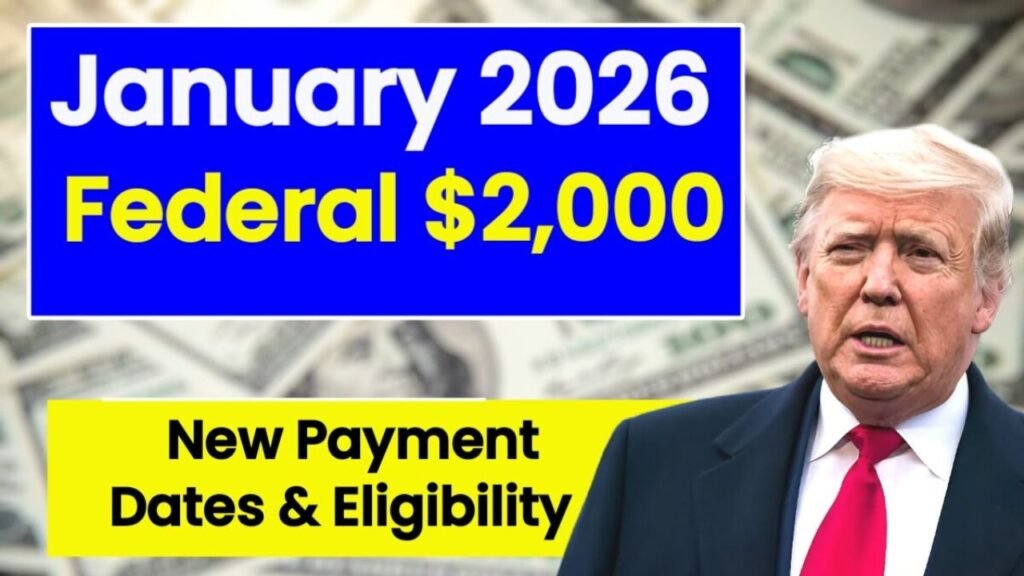

As January 2026 begins, conversations around Federal $2000 Direct Deposits are gaining momentum across the United States. Many Americans are carefully monitoring their bank accounts, news updates, and official announcements to understand whether they qualify for this payment, when it may arrive, and which federal program is responsible. With household budgets still under pressure from rising costs such as rent, food, utilities, and healthcare, even a one-time federal deposit can make a meaningful difference.
Maruti Ertiga 2026 Launch: New Design, Smart Features, Mileage, Price & Complete Details
The phrase Federal $2000 Direct Deposits does not always point to a single universal stimulus program. Instead, it is often used as a general term describing federally authorized payments issued through direct deposit under approved benefit, tax, or adjustment programs. These deposits are processed electronically to ensure speed, security, and efficiency. Understanding how these payments work helps recipients avoid confusion, delays, and misinformation.
This guide explains what Federal $2000 Direct Deposits really mean, how eligibility is determined, expected January 2026 timelines, bank processing factors, and what steps to take if a deposit appears late.
What Federal $2000 Direct Deposits Really Mean
The term Federal $2000 Direct Deposits refers to federally approved electronic payments sent directly to eligible recipients’ bank accounts. These payments are not always new stimulus checks. In many cases, they are linked to:
• Tax refunds or refund adjustments
• Refundable tax credits
• Benefit corrections or catch-up payments
• Income-based federal assistance programs
Unlike loans or advances, Federal $2000 Direct Deposits do not require repayment when they are issued correctly under existing law. The federal government uses direct deposit as the preferred delivery method because it is faster, safer, and more reliable than mailing paper checks.
Most payments are processed through agencies such as the Internal Revenue Service or the U.S. Department of the Treasury, depending on which program authorizes the funds.
Why January Is a Common Month for Federal Payments
January is one of the most active months for federal payment processing. Many Federal $2000 Direct Deposits appear during this time because agencies finalize adjustments, corrections, and reconciliations from the previous year. This includes:
• Tax credit reconciliations
• Missed or delayed benefit payments
• Income verification updates
• End-of-year accounting corrections
When people see deposits arrive early in the year, it often creates confusion and speculation about new stimulus programs. In reality, most January payments are tied to existing federal rules rather than newly announced relief bills.
Eligibility Rules for Federal $2000 Direct Deposits
Eligibility for Federal $2000 Direct Deposits depends entirely on the federal program authorizing the payment. There is no automatic or universal qualification simply because someone has a bank account on file.
Common eligibility factors include:

• Income level based on recent tax filings
• Filing status (single, married, head of household)
• Enrollment in specific federal benefit programs
• Valid Social Security number
• U.S. residency requirements
• Correct and up-to-date personal information
Even if someone previously received federal payments, that does not guarantee eligibility for January 2026 Federal $2000 Direct Deposits. Each program reviews eligibility separately using the most recent verified data.
The Importance of Accurate Banking Information
One of the most overlooked issues affecting Federal $2000 Direct Deposits is outdated banking information. Changing banks, closing accounts, or switching from joint to individual accounts can cause delays or rejections.
Federal agencies do not automatically receive bank updates. If incorrect information is on file, the payment may be rejected and later reissued as a paper check, which takes significantly longer. Ensuring accurate account details is one of the most important steps recipients can take.
Also Read – Maruti Ertiga 2026
January 2026 Federal Payment Timeline Explained
The January 2026 Federal $2000 Direct Deposits follow a multi-step processing timeline. Understanding this helps reduce unnecessary concern when deposits do not appear immediately.
Step 1: Authorization
The responsible federal agency finalizes eligibility lists and authorizes payments.
Step 2: ACH File Transmission
Payment data is sent to the Treasury for Automated Clearing House (ACH) processing.
Step 3: Bank Processing
Banks receive ACH files and schedule posting based on internal rules.
Step 4: Funds Availability
Deposits become available to recipients depending on bank posting times.
From authorization to availability, the process typically takes one to five business days, though weekends and federal holidays can extend this window.
How Bank Processing Affects Deposit Timing
Not all banks post Federal $2000 Direct Deposits at the same time. Processing differences are common and can cause confusion.
Factors that affect timing include:


• Bank ACH cut-off times
• Account verification checks
• Internal fraud prevention reviews
• Previous overdraft activity
• Weekend and holiday schedules

Some credit unions and online banks release funds earlier, while large national banks often follow stricter posting schedules. If the federal agency confirms transmission, delays are usually on the bank side rather than a government issue.
What To Do If Your Federal $2000 Direct Deposit Is Late
If a Federal $2000 Direct Deposit does not appear within the expected timeframe, recipients should take a calm, step-by-step approach.
Step 1: Verify with the Issuing Agency
Check official portals or announcements from the agency responsible for the payment.
Step 2: Allow Processing Time
Wait at least five business days after the announced payment window.
Step 3: Contact Your Bank
Provide the expected amount and transmission date to confirm pending credits.
Step 4: Request a Payment Trace (If Needed)
In rare cases, the agency may initiate a trace to locate the funds.
Most delays are resolved once bank processing cycles are completed.
Non-Filers and Special Cases
Some individuals who normally do not file taxes may still qualify for Federal $2000 Direct Deposits, depending on the program. This includes:
• Low-income households
• Seniors
• Disabled individuals
• Benefit recipients
However, non-filers often must submit basic information through official portals so the government has correct payment details. Without this step, payments cannot be issued electronically.
Avoiding Scams and Misinformation
Whenever Federal $2000 Direct Deposits trend online, scams increase rapidly. Fraudsters may claim to offer early access, instant approval, or special enrollment.
Important safety reminders:
• The federal government does not charge fees to release payments
• No agency asks for banking details via text or social media
• Official updates come only from verified government websites
• Headlines may exaggerate eligibility or payment certainty
Relying on official sources helps protect both finances and personal information.

How Federal Direct Deposits Differ From Stimulus Checks
It is important to understand that Federal $2000 Direct Deposits are not automatically new stimulus checks. Stimulus payments require congressional approval and public announcements.
Most January deposits result from existing tax laws, benefit programs, or administrative adjustments. Confusing these payments with stimulus programs often leads to unrealistic expectations.
Financial Planning Tips While Waiting for Deposits
Because timing can vary, households should avoid relying on Federal $2000 Direct Deposits for immediate expenses unless officially confirmed. Planning tips include:
• Maintaining a small emergency buffer
• Monitoring official agency updates
• Avoiding high-interest borrowing based on assumptions
• Using online accounts to track payment status
Being informed helps reduce financial stress during the waiting period.
Final Thoughts on Federal $2000 Direct Deposits January 2026
The discussion around Federal $2000 Direct Deposits in January 2026 highlights how important it is to understand federal payment systems. While some Americans may receive deposits close to $2,000, these payments are typically tied to existing programs rather than new nationwide relief.
Eligibility varies, timing depends on bank processing, and accurate records are essential. Staying informed through official government channels remains the best way to ensure you receive any payment you qualify for—without confusion or disappointment.
Disclaimer
This article is for informational purposes only. Federal programs, eligibility rules, and payment timelines may change. Always verify details through official government sources or qualified financial professionals.
Honda Accord 2026 – Premium Sedan with Modern Design, Hybrid Power & Advanced Technology!
Some Important Link
| Download News APP | Click Here |
| WhatsApp Group | Click Here |
| Home Page | Click Here |